
Where to go in Italy: A guide to help you choose!
Italy is one of the most diverse and rewarding countries in the world for travelers. Ancient cities, mountain ranges, wine regions, beaches, islands and unforgettable food put Italy right at the top of bucklists the world over. If you’re wondering which area of Italy to tackle first, or next, this overview will help you decide based on your travel preferences. And if you want to dig a little deeper, check out some of our 7 day itineraries for all budgets, linked to various regions across this amazing country.
Here you’ll find a region’s guide, followed by “best for..” choices, whether thinking about budget or holiday style (adventure, culture, beaches etc)
Your Regions Guide
Tuscany
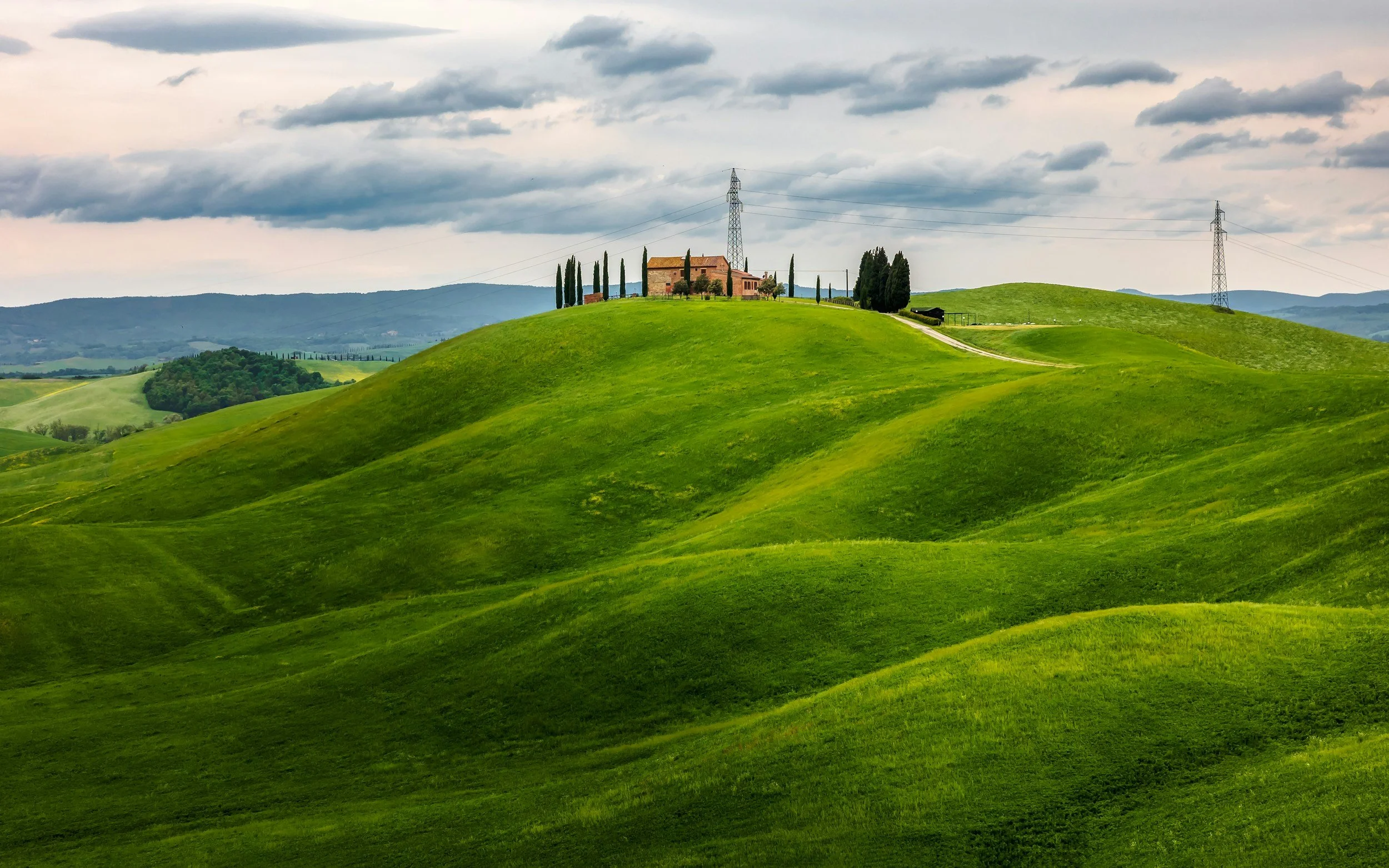
Best for: First-time visitors, wine, hill towns
Car needed: Yes (outside Florence)
Crowds: High
Trip length: 7–10 days
Why go: Rolling vineyards, Renaissance cities, and postcard hill towns make Tuscany ideal for a balanced city + countryside trip.
Highlights: Florence, Siena, Val d’Orcia, Chianti
Costs: €130–260 accommodation, €15–30 casual meals
Getting around: No car needed in Florence; essential for countryside.
Things to note: Very popular, early starts matter and book key activities before travel if possible. One countryside base alongside a city stay in Florence is ideal.
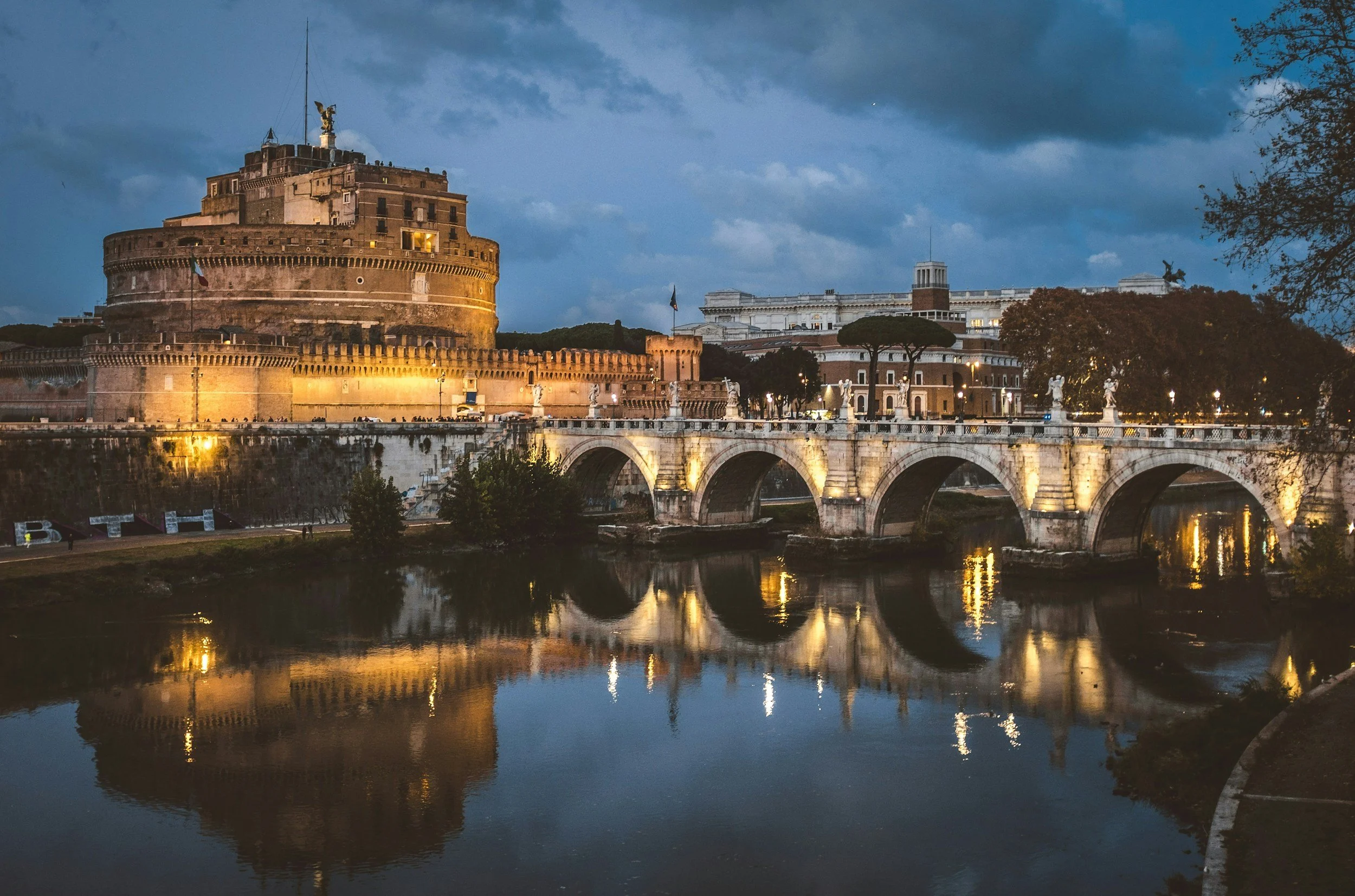
Rome & Lazio
Best for: History, landmarks, culture
Car needed: No
Crowds: Very high
Trip length: 5–7 days
Why go: Rome alone can fill a week, with easy day trips adding variety without changing bases.
Highlights: Colosseum, Vatican, Tivoli, Ostia Antica
Costs: €120–260 accommodation, €12–25 casual meals
Getting around: No car needed. Stay near a metro line.
Things to note: Book attractions. Crowds are unavoidable but manageable.
Campania
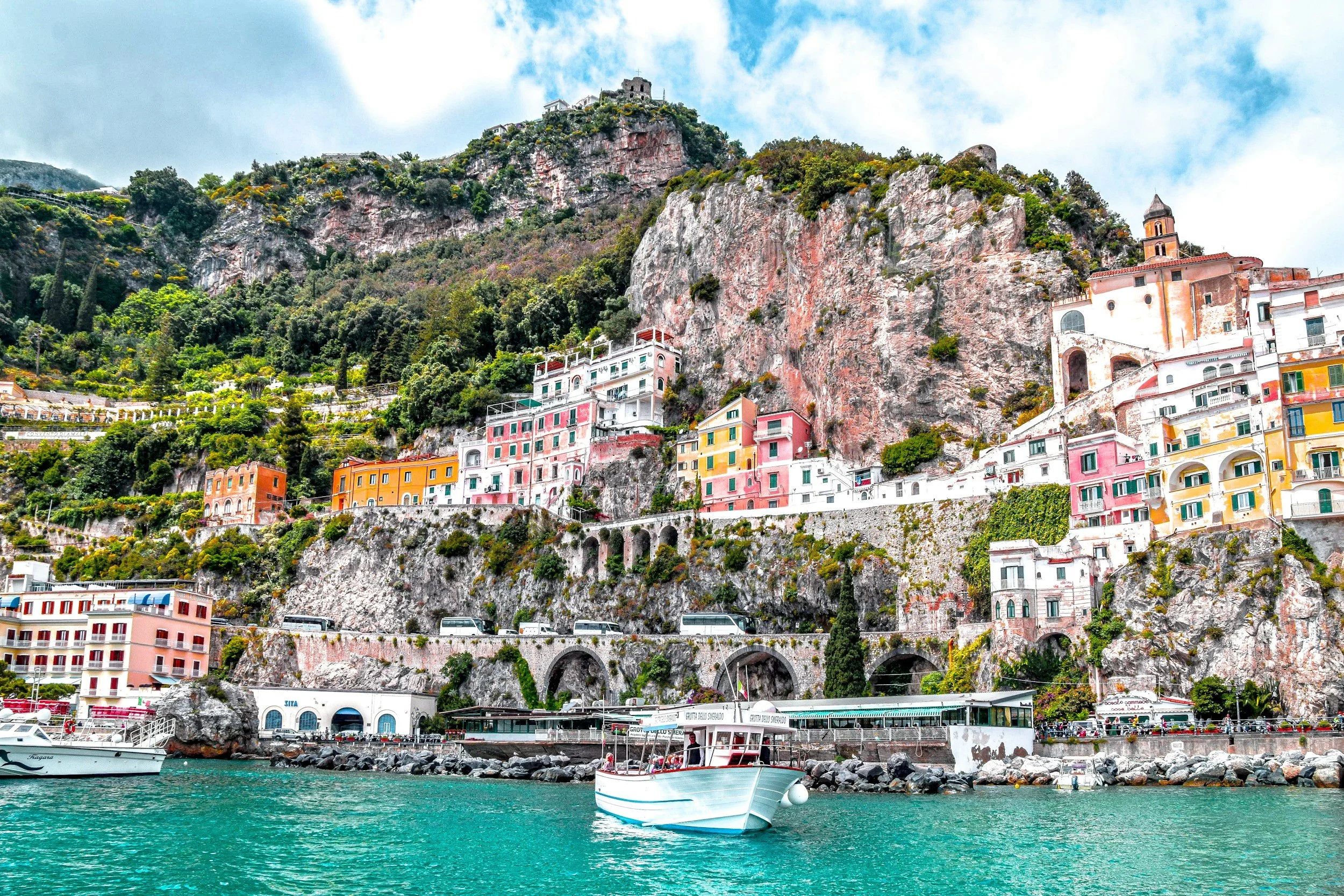
Best for: Amalfi Coast, ancient ruins, amazing food
Car needed: Sometimes
Crowds: Very high
Trip length: 7 days
Why go: Archaeology, dramatic coastlines, and some of Italy’s best food in one compact region.
Highlights: Naples, Pompeii, Amalfi Coast, Capri
Costs: €90–200 accommodation, €8–20 casual meals
Getting around: Public transport works; driving is very challenging.
Things to note: Naples is chaotic but unforgettable. Base choice matters.
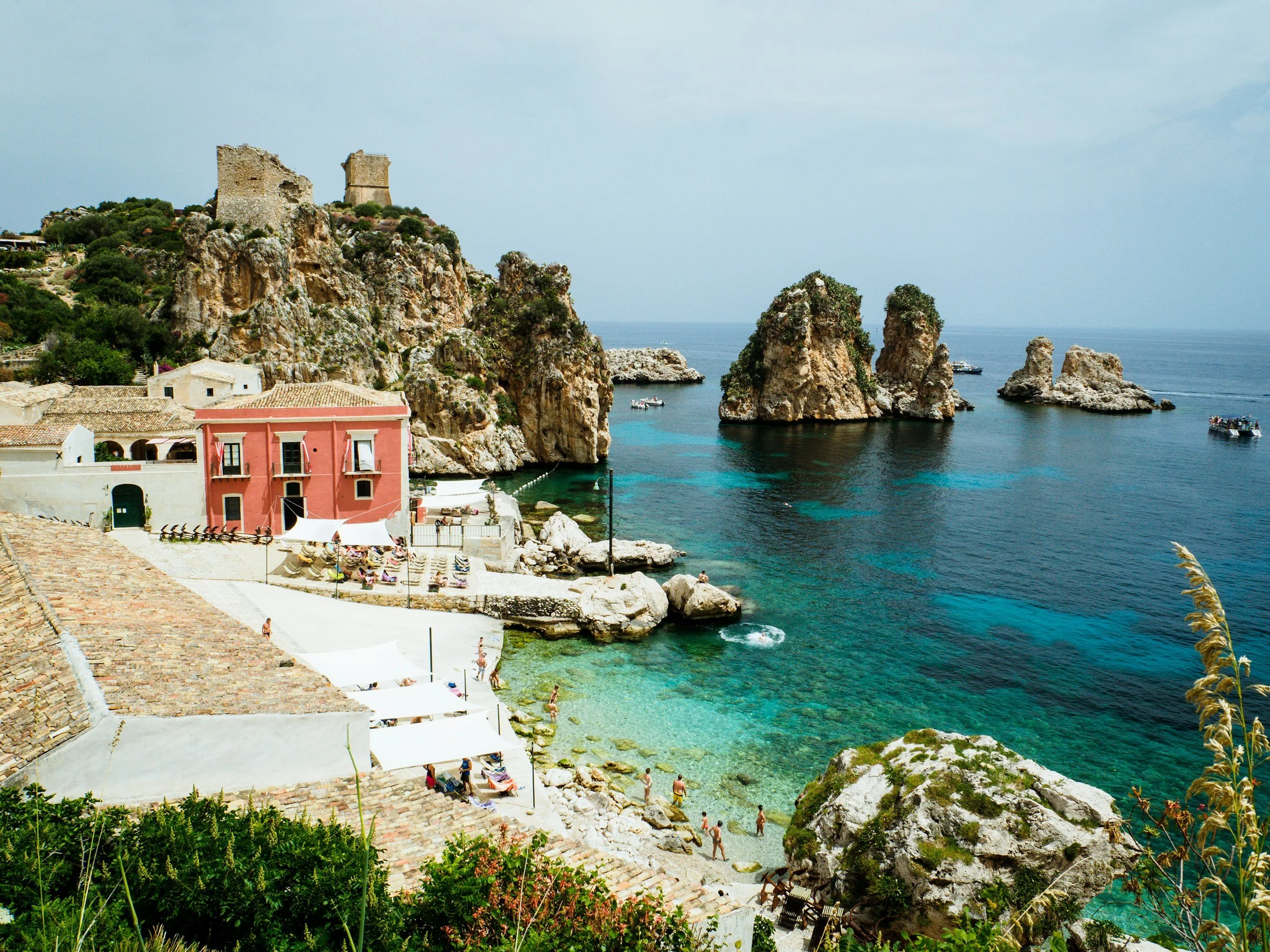
Sicily
Best for: Culture, beaches, variety
Car needed: Yes
Crowds: Medium
Trip length: 7–10 days
Why go: A world of its own: Greek ruins, volcanoes, beaches, and diverse cities.
Highlights: Palermo, Mount Etna, Taormina, Agrigento
Costs: €80–170 accommodation, €10–25 meals
Getting around: Car strongly recommended.
Things to note: Choose east or west for a 7-day trip, not both.
Veneto
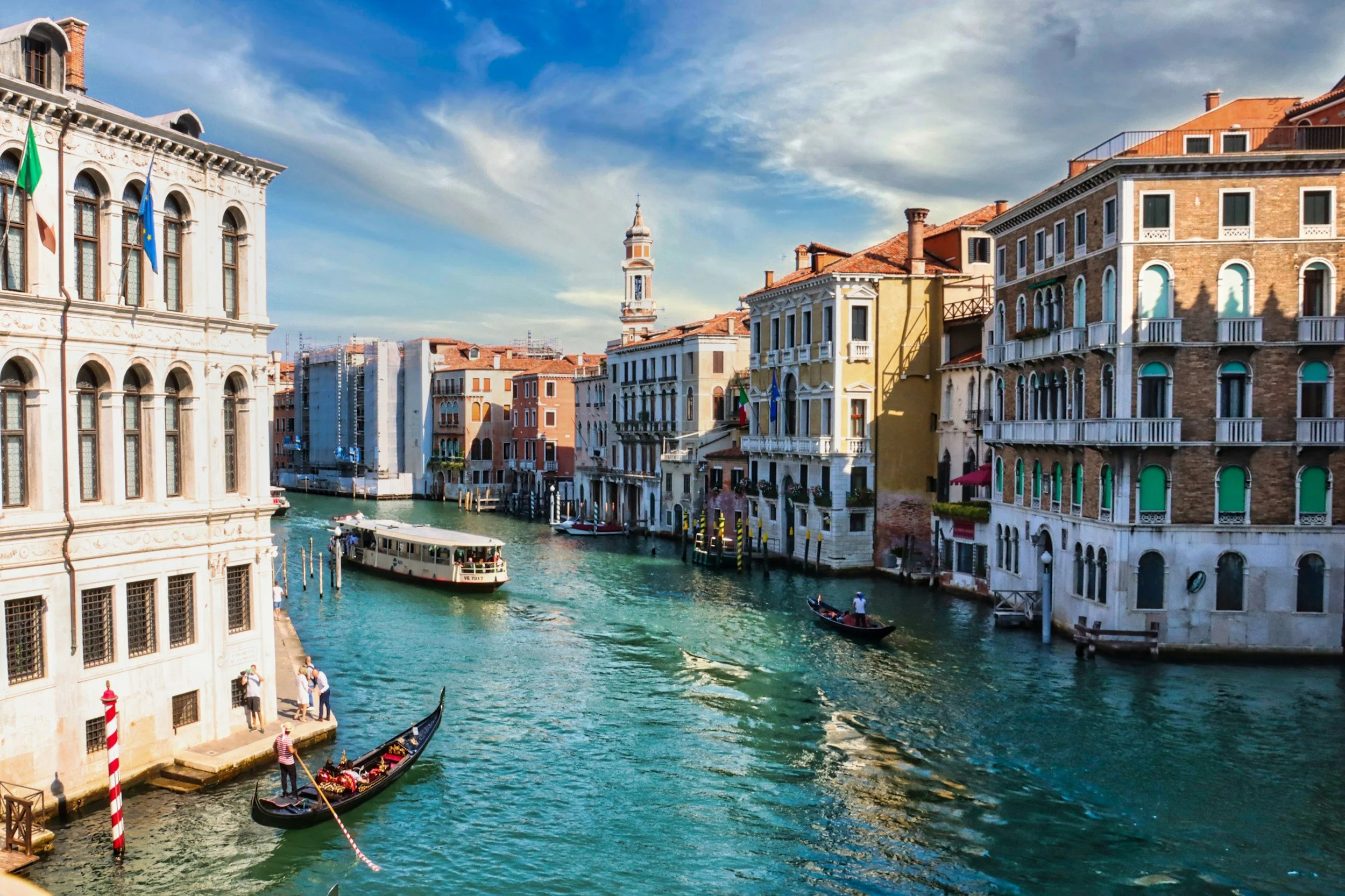
Best for: Venice, cities, countryside
Car needed: Sometimes
Crowds: High
Trip length: 5–7 days
Why go: One of Italy’s most versatile regions. Canals, medieval cities, vineyards, mountain and everything in-between awaits..
Highlights: Venice, Verona, Padua, Prosecco Hills, Dolomites
Costs: €110–220 accommodation, €12–25 casual meals
Getting around: No car for cities; recommended for countryside and mountains.
Things to note: Stay outside Venice if you need to reduce costs. Excellent first-timer choice.
Piedmont
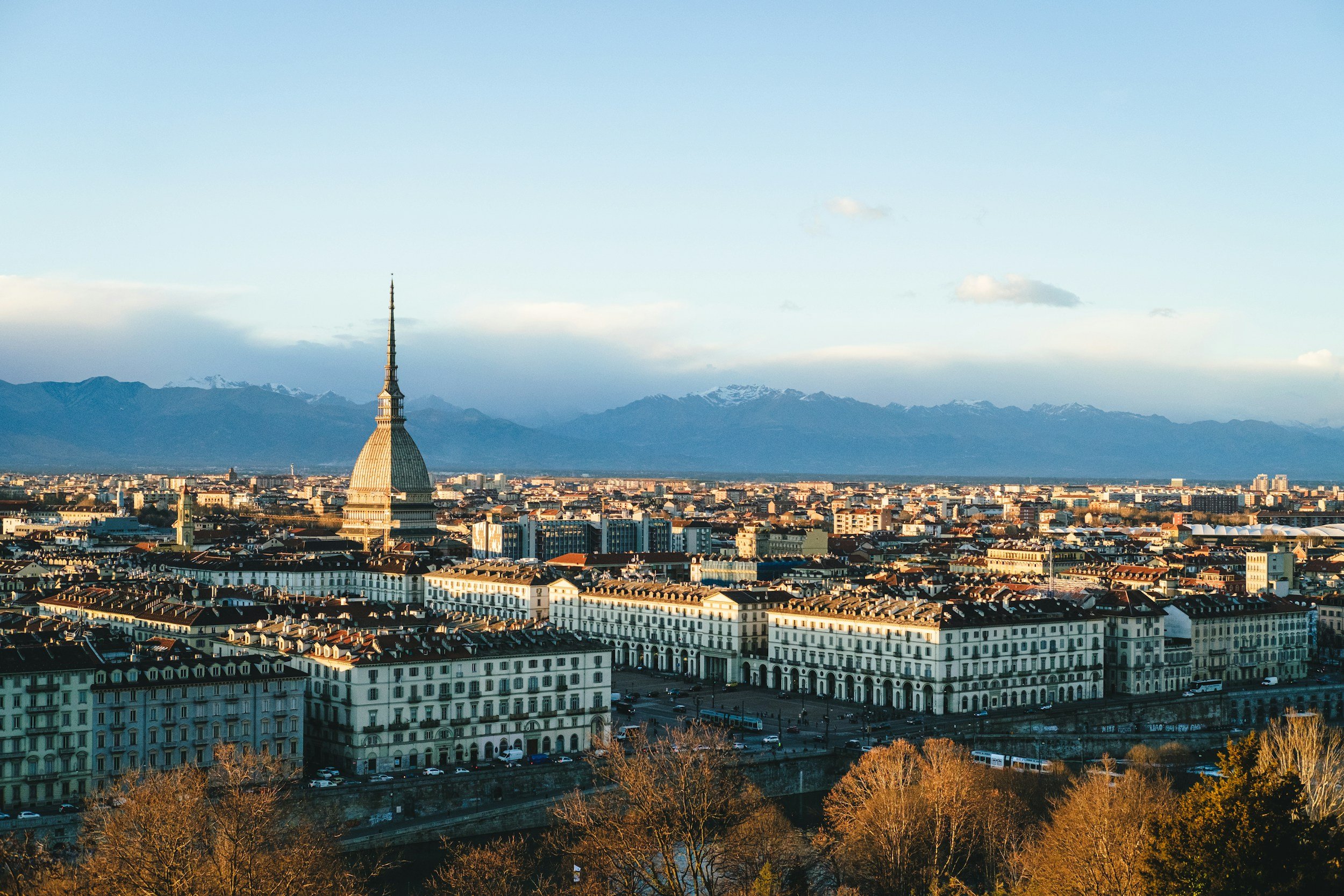
Best for: Food, wine, slow travel
Car needed: Yes
Crowds: Medium
Trip length: 5–7 days
Why go: Italy’s refined food and wine capital, known for truffles, vineyards, and elegant cities.
Highlights: Turin, Langhe, Barolo & Barbaresco wine regions, Alba
Costs: €100–180 accommodation, €15–30 casual meals
Getting around: Car required for wine regions; Turin works without one.
Things to note: Best in fall for truffles (and higher prices). Ideal for slow, food-focused trips.
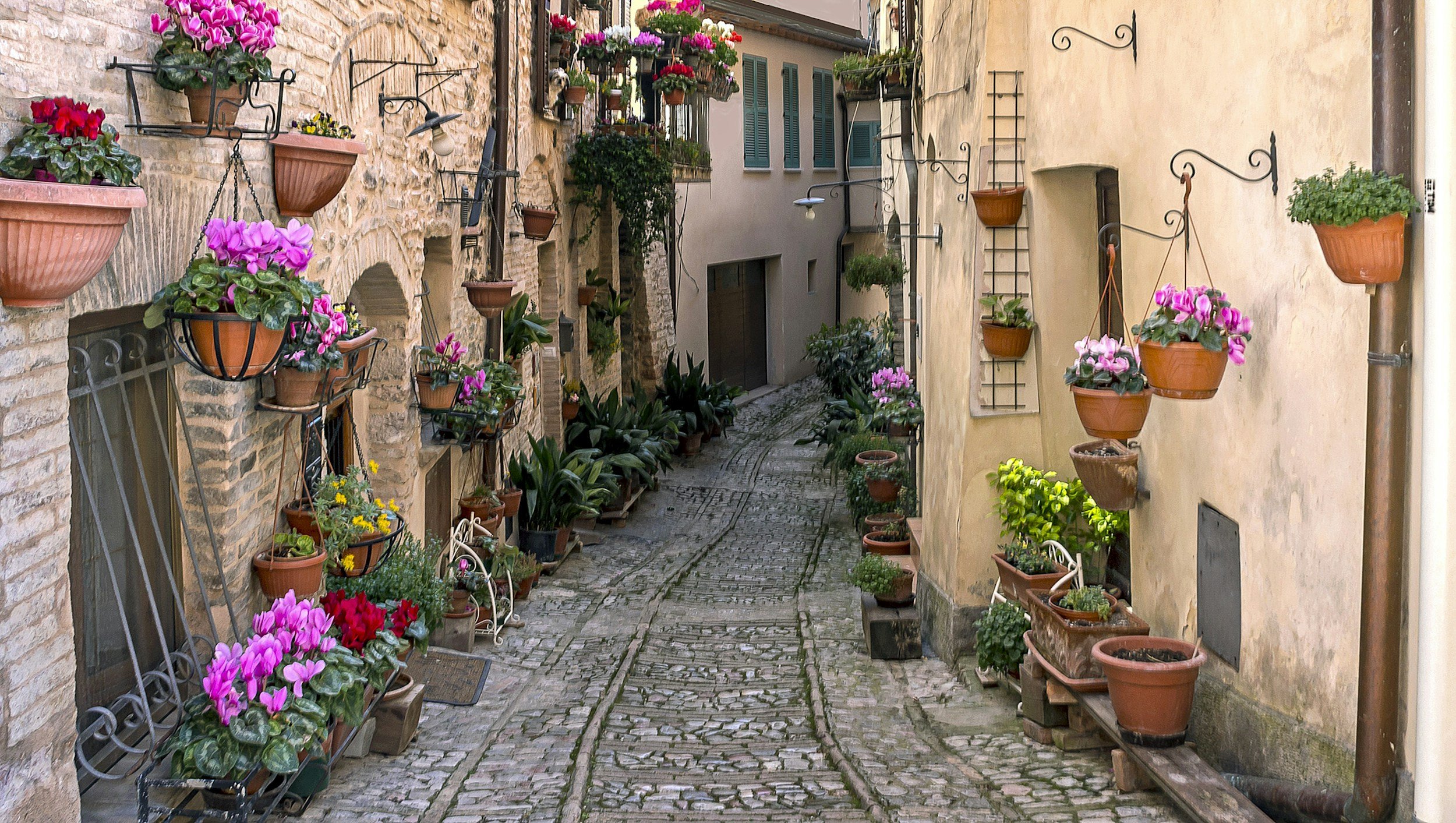
Umbria
Best for: Quiet towns, value travel
Car needed: Yes
Crowds: Low
Trip length: 5–7 days
Why go: A quieter, greener alternative to Tuscany with fewer crowds and excellent value.
Highlights: Assisi, Perugia, Spello, hill towns & countryside
Costs: €80–150 accommodation, €12–25 casual meals
Getting around: Car recommended for flexibility.
Things to note: Slower pace, fewer tourists, and easy to pair with Tuscany or Rome.
Puglia
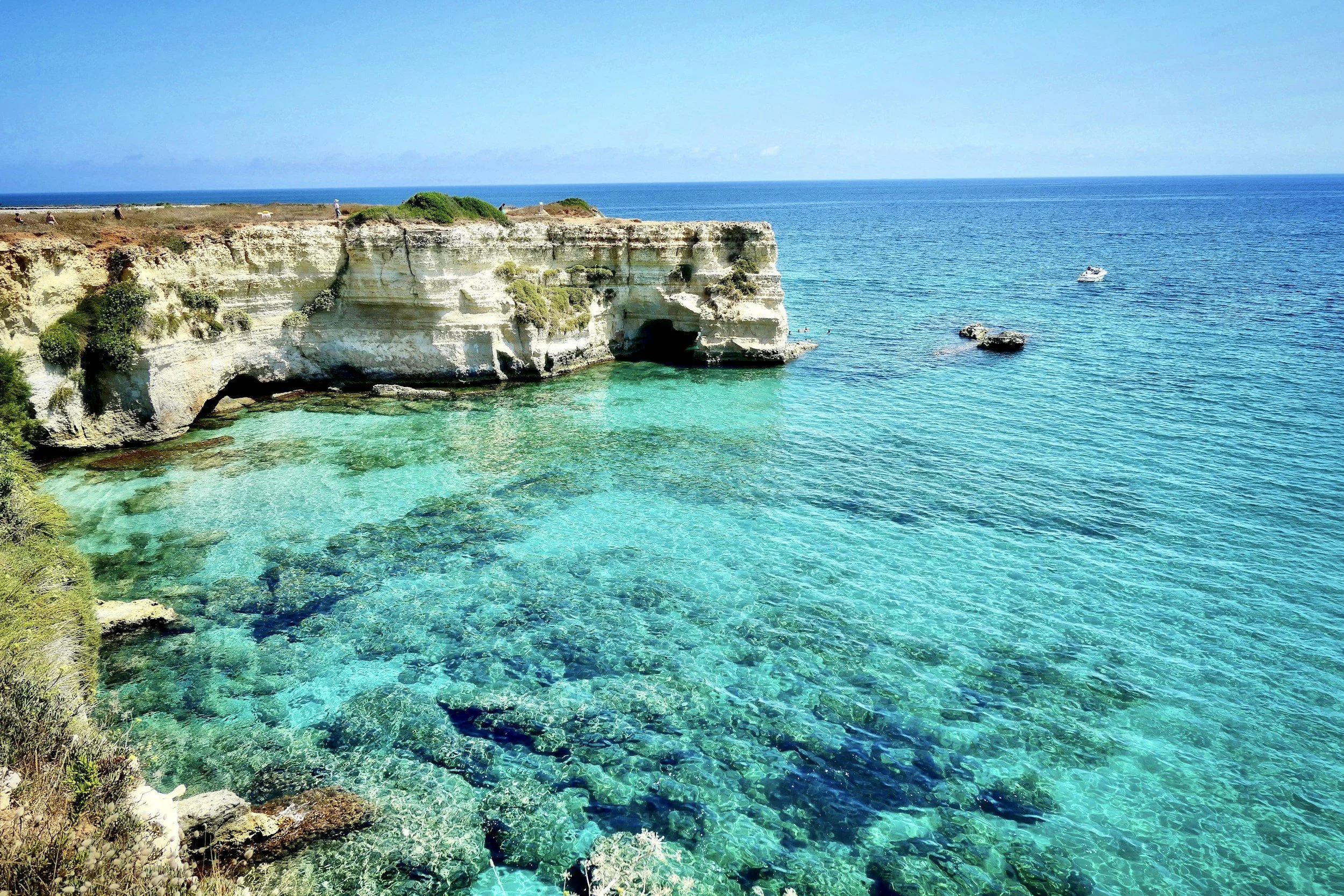
Best for: Beaches, villages, summer trips
Daily budget: €80–160
Car needed: Yes
Crowds: Medium
Trip length: 7 days
Why go: Whitewashed villages, olive groves, and Adriatic beaches with a relaxed southern feel.
Highlights: Alberobello, Polignano a Mare, Valle d’Itria, Ostuni
Costs: €80–160 accommodation, €10–25 casual meals
Getting around: Car essential.
Things to note: Very spread out. Choose a central base. Excellent summer destination for relaxation.
Sardinia
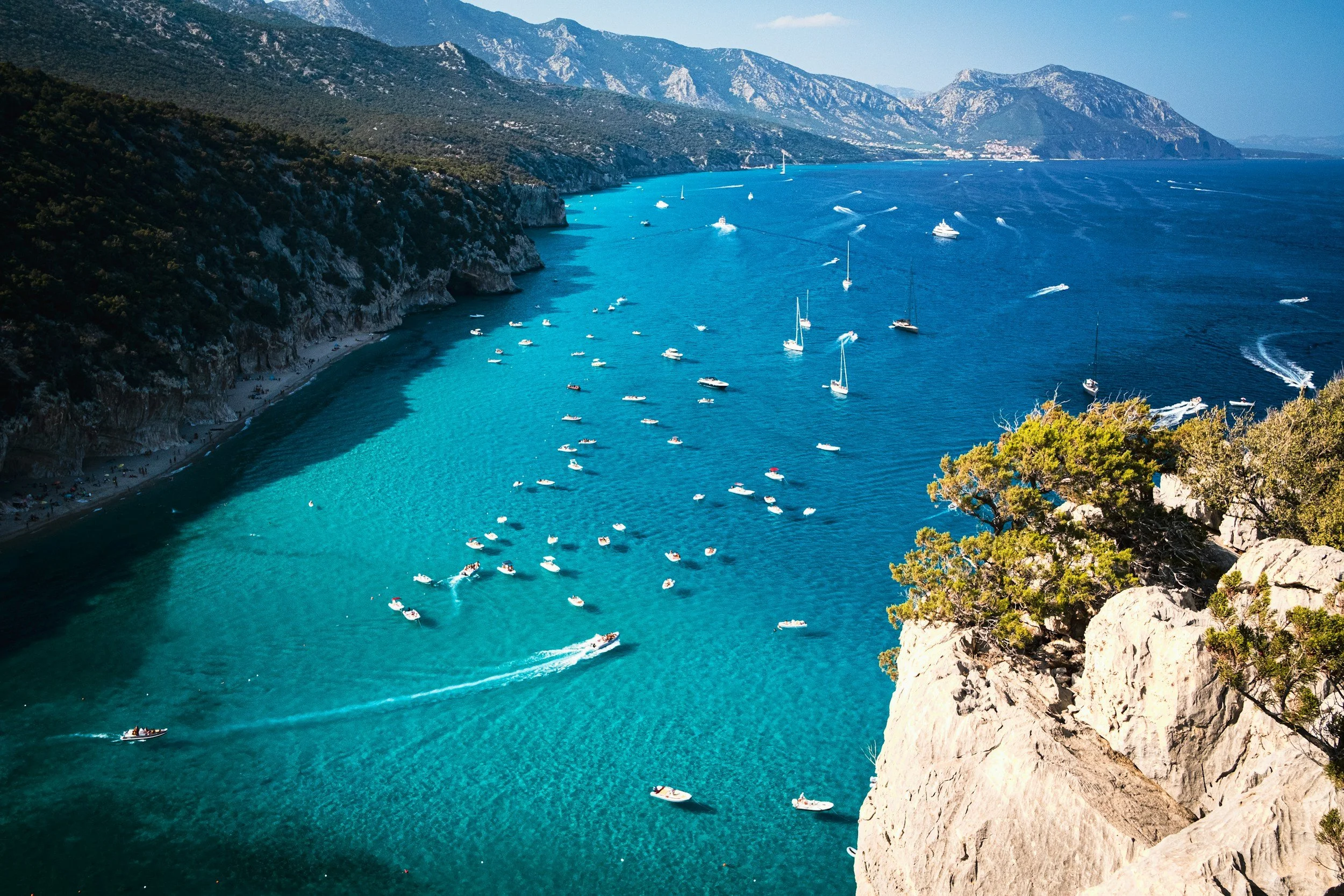
Best for: Beaches, nature, outdoor travel
Car needed: Yes
Crowds: Medium
Trip length: 7–10 days
Why go: Some of Europe’s best beaches paired with rugged mountains and wild interior landscapes.
Highlights: Costa Smeralda, Cala Goloritzé, Supramonte, Alghero
Costs: €90–200 accommodation, €15–30 casual meals
Getting around: Car required.
Things to note: Expensive in July–August. Shoulder season offers the best value and weather.
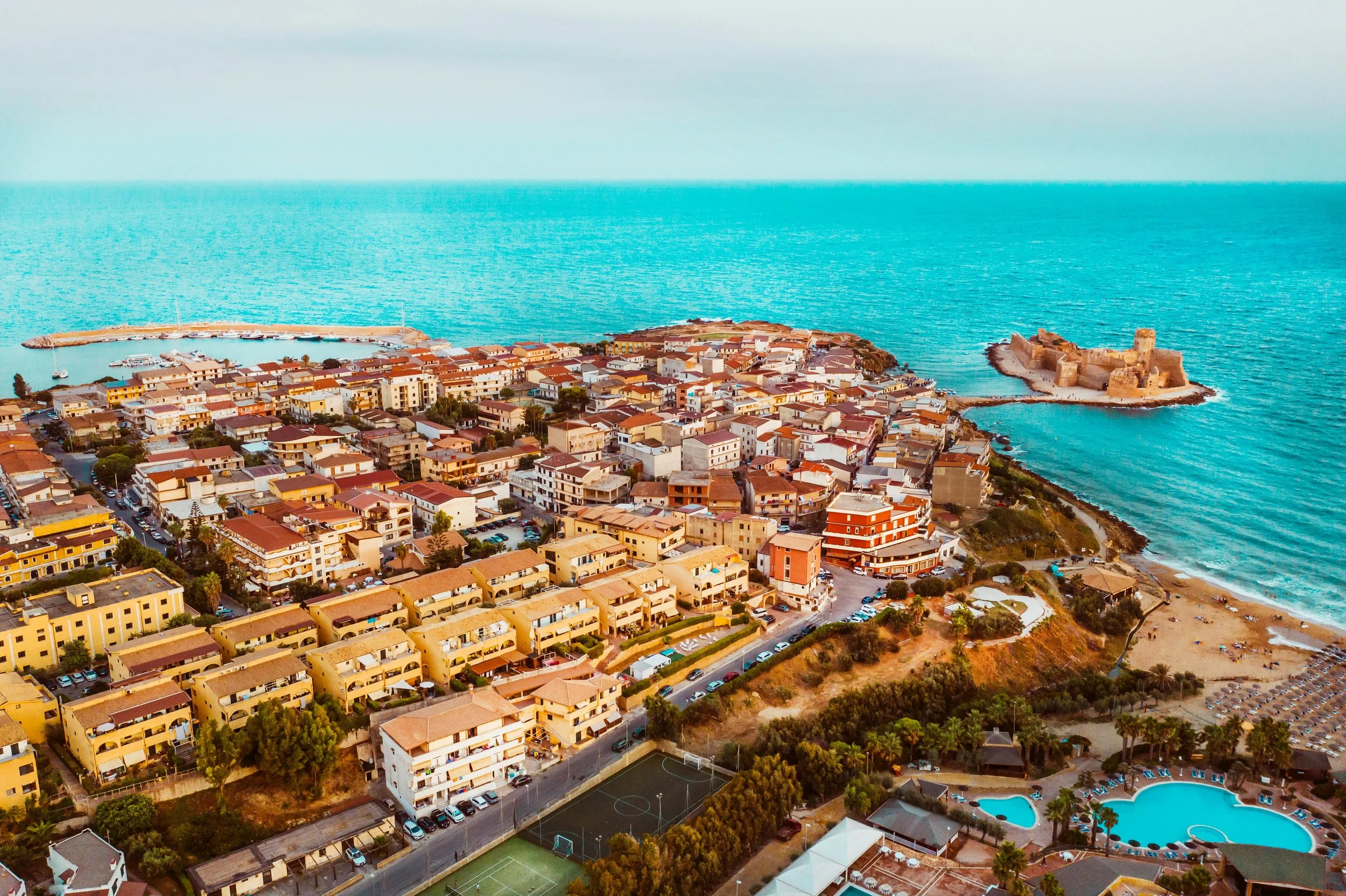
Calabria & Basilicata
Best for: Authentic Italy, fewer tourists
Car needed: Yes
Crowds: Low
Trip length: 5–7 days
Why go: Rugged, authentic southern Italy with dramatic coastlines and minimal tourism.
Highlights: Tropea, Aspromonte National Park, Matera
Costs: €70–140 accommodation, €10–20 casual meals
Getting around: Car strongly recommended.
Things to note: Limited infrastructure but incredible value. Best for experienced, flexible trippers.
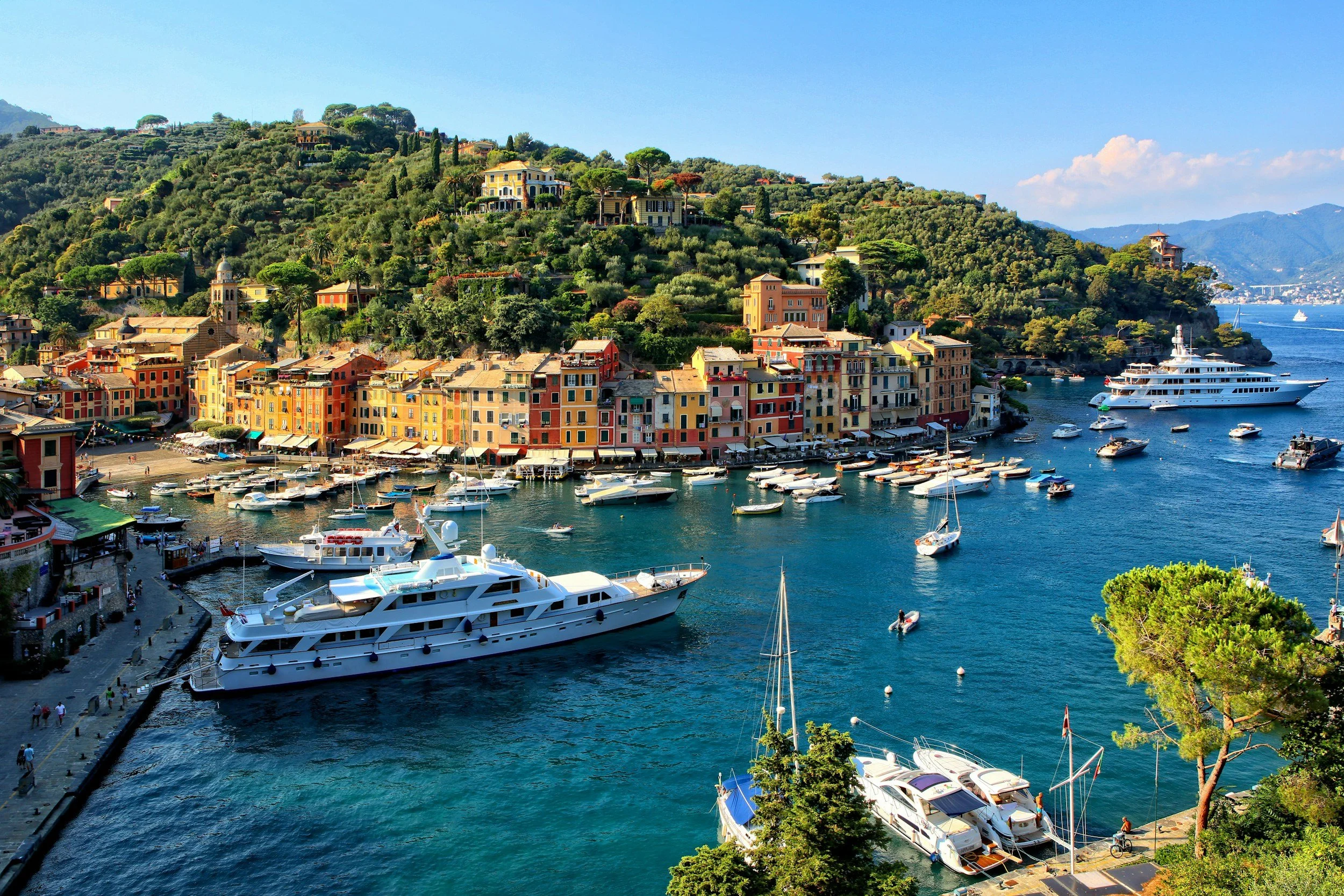
Liguria
Best for: Coastal villages, scenic drives, and seaside charm
Car needed: Sometimes (recommended for smaller towns)
Crowds: Medium–High (Cinque Terre busy in summer)
Trip length: 5–7 days
Why go: Stunning coastline, colorful port towns, and the famous Cinque Terre.
Highlights: Genoa, Portofino, Cinque Terre, Santa Margherita Ligure
Costs: €100–200 accommodation, €12–25 casual meals
Getting around: Car useful for smaller towns; trains/ferries connect Cinque Terre
Things to note: Coastal roads can be narrow; early booking essential in summer
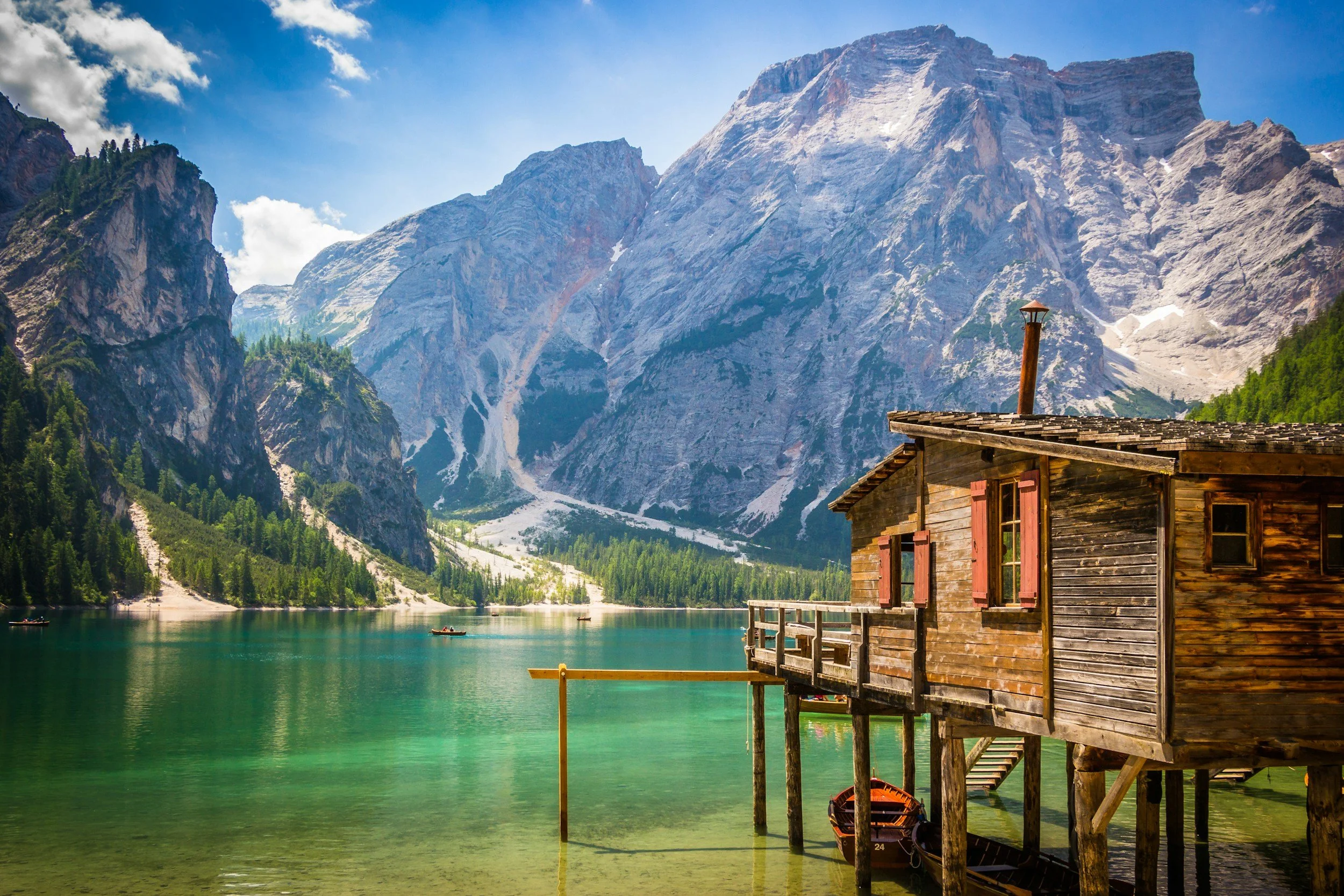
Trentino-Alto Adige / South Tyrol
Best for: Alpine adventure, hiking, and skiing
Car needed: Yes
Crowds: Medium
Trip length: 5–7 days
Why go: Alpine paradise for hiking, skiing, and picturesque mountain villages.
Highlights: Bolzano, Merano, Dolomites, Val Gardena
Costs: €100–200 accommodation, €15–25 casual meals
Getting around: Car recommended for mountain exploration
Things to note: German widely spoken; infrastructure excellent for outdoor adventures
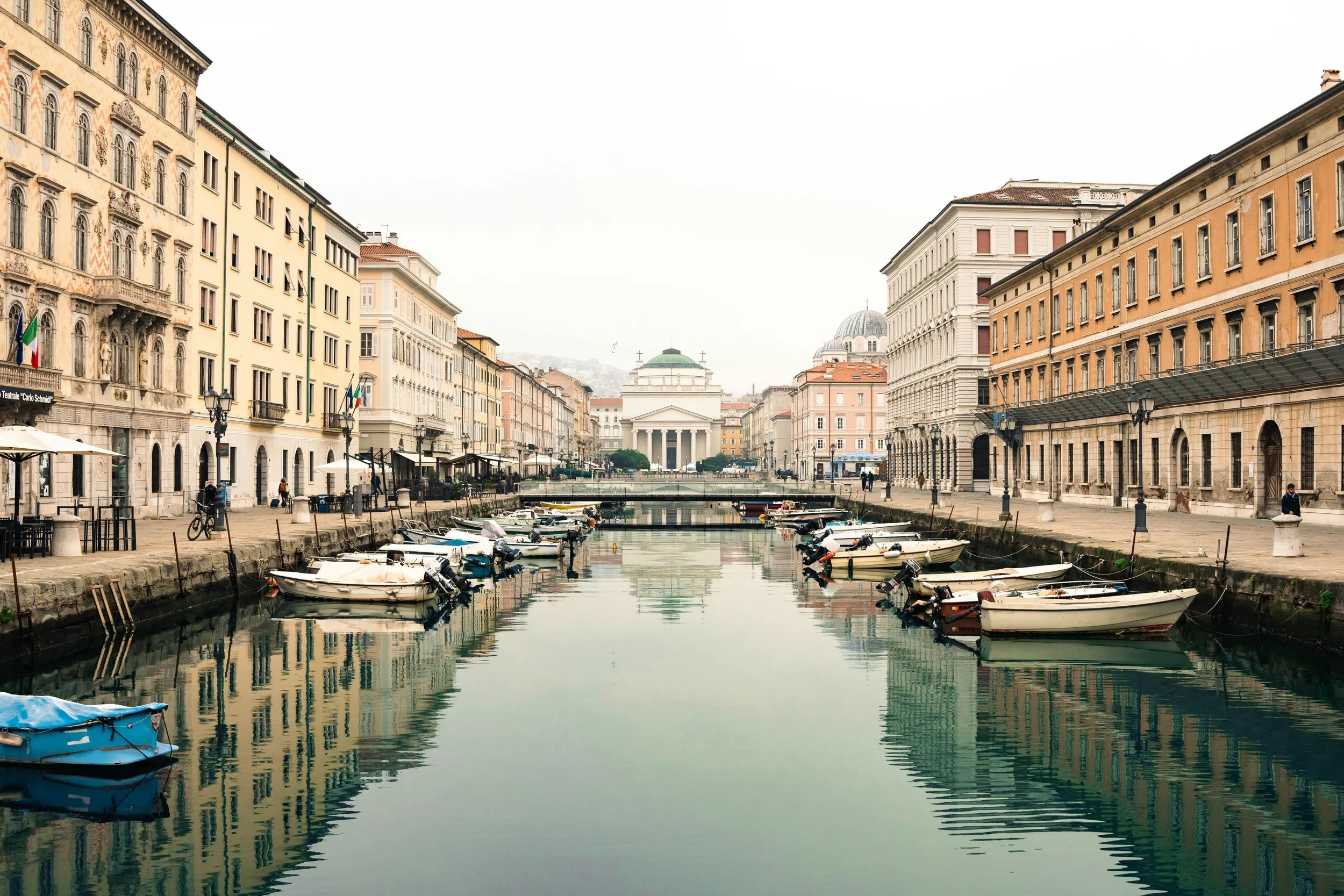
Friuli Venezia Giulia
Best for: Cultural diversity, mountains & Adriatic coast
Car needed: Yes
Crowds: Low–Medium
Trip length: 5–7 days
Why go: Unique blend of Italian, Austrian, and Slavic cultures, with mountains and Adriatic beaches.
Highlights: Trieste, Udine, Grado, Cividale del Friuli
Costs: €90–180 accommodation, €12–25 casual meals
Getting around: Car recommended outside major cities
Things to note: Less touristy; perfect for culture and slow travel
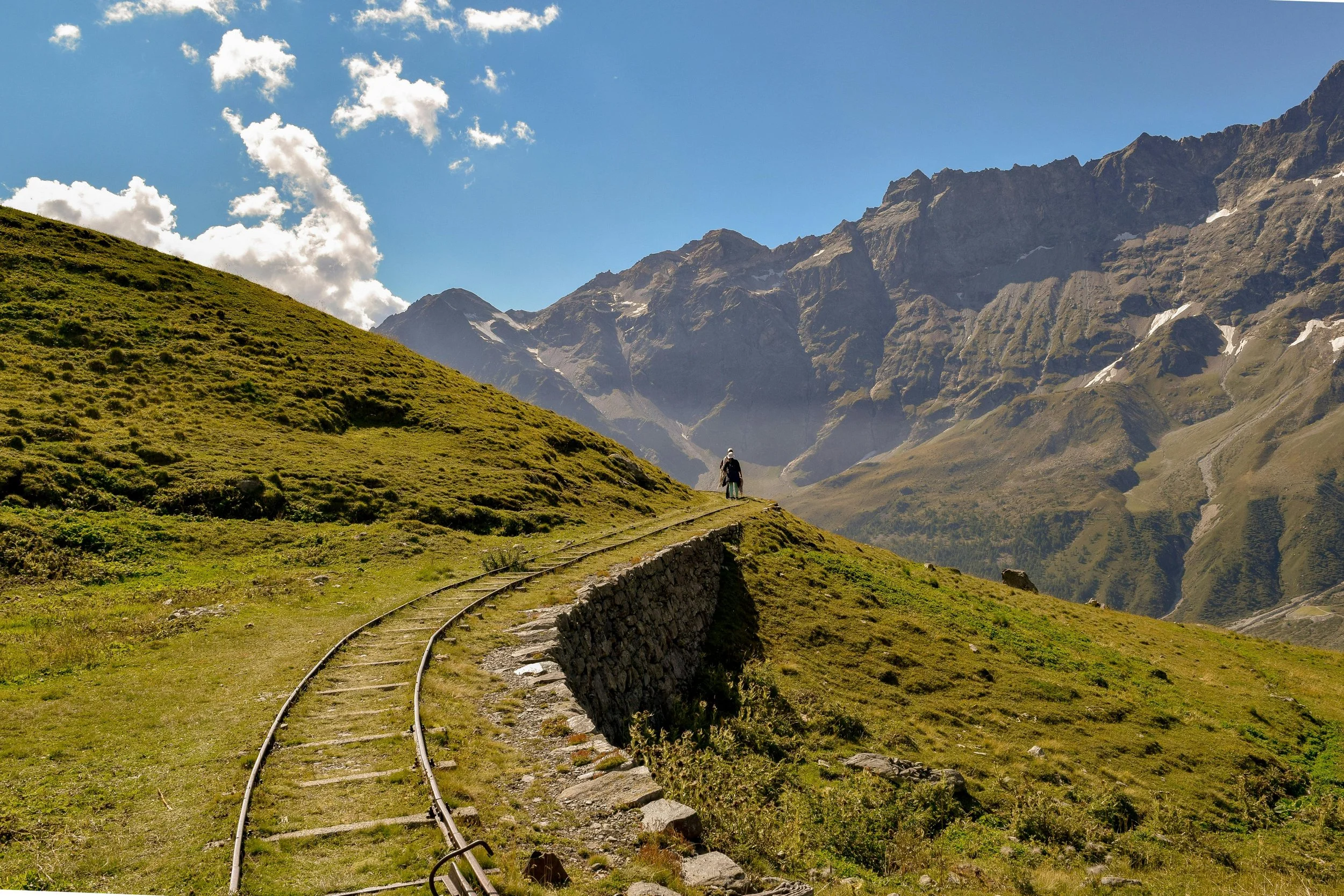
Aosta Valley
Best for: Skiing, mountain trekking, and alpine scenery
Car needed: Yes
Crowds: Low–Medium
Trip length: 5–7 days
Why go: Italy’s smallest region, perfect for Alps lovers and winter sports.
Highlights: Courmayeur, Gran Paradiso National Park, Cervinia
Costs: €100–200 accommodation, €15–25 casual meals
Getting around: Car recommended
Things to note: Ideal for skiing and mountain trekking; quiet outside peak season
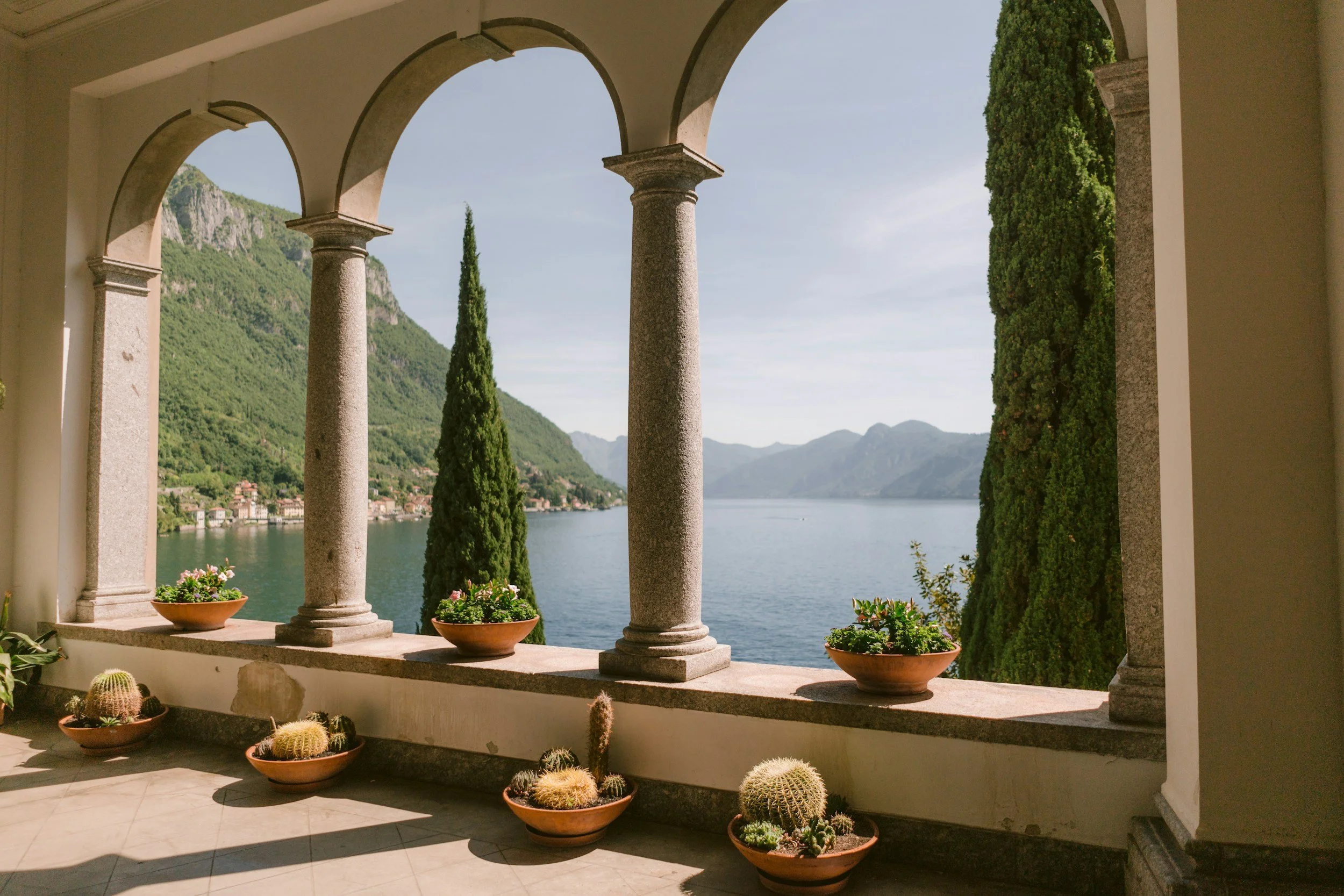
Lombardy
Best for: Lakes, fashion, and historic cities
Car needed: Sometimes (needed for lakes/countryside)
Crowds: High
Trip length: 5–7 days
Why go: Economic hub with fashion, lakes, and historic cities.
Highlights: Milan, Lake Como, Lake Garda, Bergamo
Costs: €120–250 accommodation, €15–25 casual meals
Getting around: No car needed in Milan; essential for lakes and countryside
Things to note: Milan is busy and business-focused; lakes are scenic but pricey
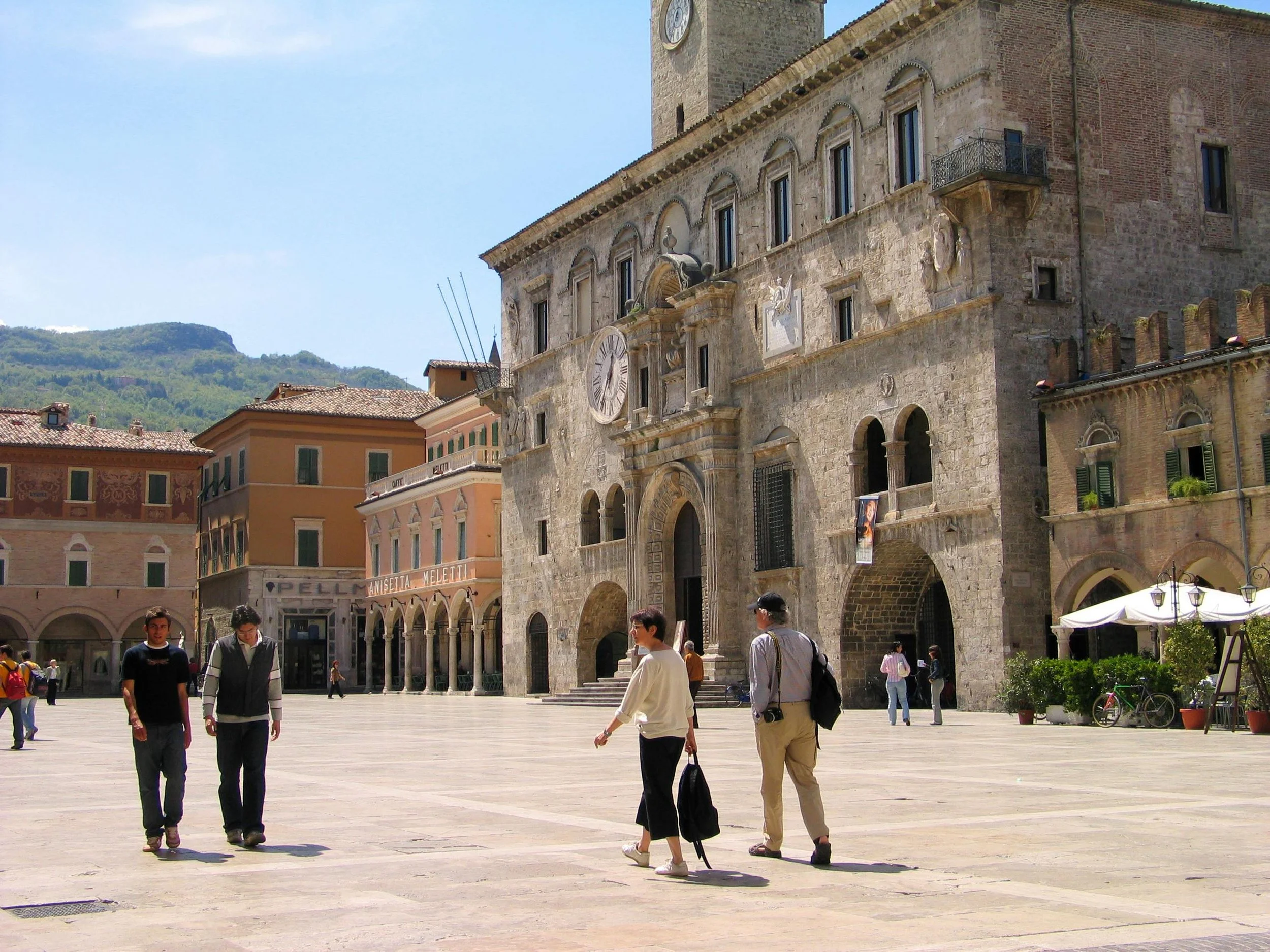
Marche
Best for: Undiscovered towns, countryside, and beaches
Car needed: Yes
Crowds: Low
Trip length: 5–7 days
Why go: Hills, beaches, and Renaissance towns — an underrated central Italian gem.
Highlights: Urbino, Ascoli Piceno, Conero Riviera
Costs: €80–150 accommodation, €12–25 casual meals
Getting around: Car recommended
Things to note: Great alternative to Tuscany; low tourist crowds
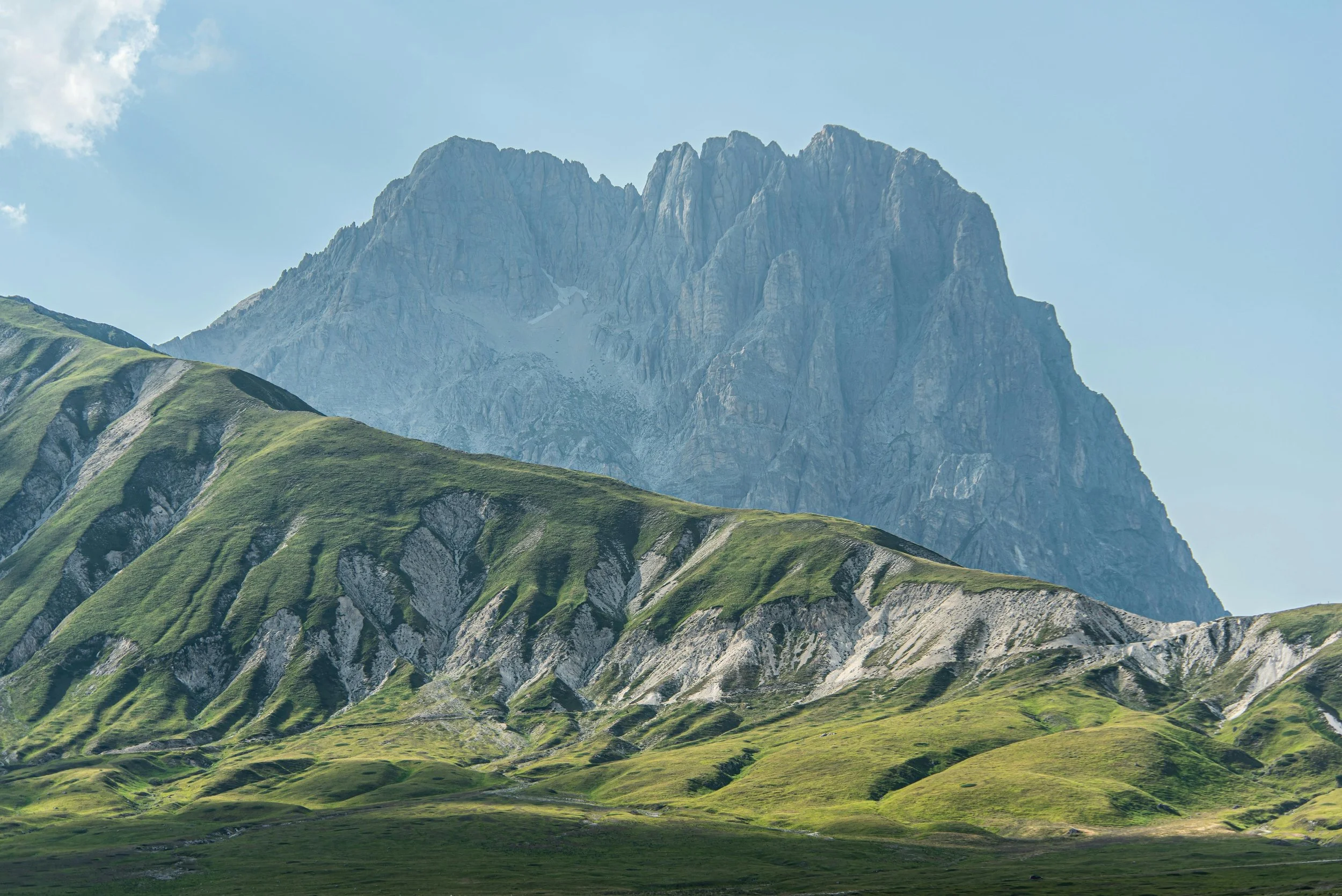
Abruzzo
Best for: Mountains, national parks, and quiet beaches
Car needed: Yes
Crowds: Low
Trip length: 5–7 days
Why go: Mountains, national parks, and Adriatic beaches with authentic Italian culture.
Highlights: L’Aquila, Gran Sasso, Pescara, Scanno
Costs: €70–150 accommodation, €10–25 casual meals
Getting around: Car essential
Things to note: Off-the-beaten-path; excellent for nature and slow travel
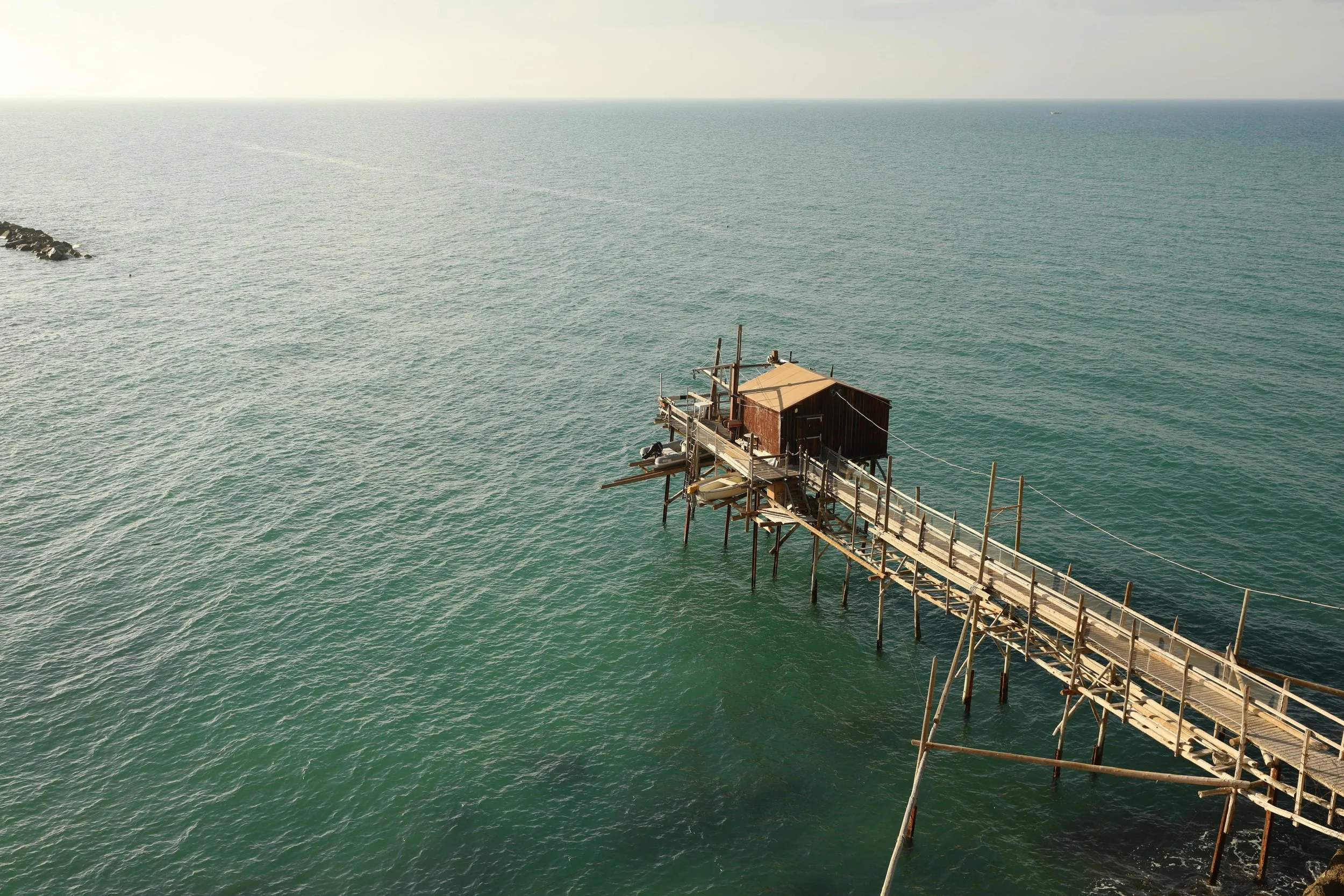
Molise
Best for: Authentic Italy, medieval towns, and solitude
Car needed: Yes
Crowds: Low
Trip length: 5–7 days
Why go: Small, undiscovered region with medieval towns and quiet beaches.
Highlights: Campobasso, Termoli, Agnone, Isernia
Costs: €70–140 accommodation, €10–20 casual meals
Getting around: Car essential
Things to note: Very few tourists; ideal for travelers seeking solitude and authenticity
Choose Your Italy Trip by Travel Style
First-Time Visitors
Best regions: Tuscany, Rome & Lazio, Veneto
Iconic sights, strong infrastructure, and easy logistics.
Food & Wine Lovers
Best regions: Piedmont, Tuscany, Campania, Emilia-Romagna
Deep regional cuisine with minimal long-distance travel.
Beaches & Summer Travel
Best regions: Puglia, Sicily, Sardinia, Calabria
Long coastlines, warm seas, and better value outside Amalfi.
Outdoor & Nature Trips
Best regions: Dolomites, Sicily, Sardinia, Abruzzo
Hiking, mountains, volcanoes, and dramatic landscapes.
Crowd-Avoiders & Slow Travel
Best regions: Umbria, Marche, Basilicata, Calabria
Lower costs, fewer tourists, and a relaxed pace.
Choose your Italy trip by Budget
Italy’s costs vary depending on region, season, and travel style. Northern cities tend to be pricier, while southern regions and less-touristy areas offer better value. Use this guide to plan your budget before diving into specific itineraries.
Daily Budget Categories
Budget: €70–120: Hostels or guesthouses, casual meals, public transport
Mid-range: €120–200: 3-star hotels, mix of casual & sit-down meals, local tours
Premium: €200+: Boutique hotels, fine dining, guided tours, excursions
Regional Cost Overview
Northern Italy
Regions: Veneto, Lombardy, Piedmont, Trentino-Alto Adige, Friuli Venezia Giulia, Liguria
Realistic Daily budget inc. Accommodation: €100–230
Notes: Luxury hotels, lakes, and ski resorts increase costs
Central Italy
Regions: Tuscany, Rome & Lazio, Marche, Umbria, Abruzzo, Aosta Valley
Realistic Daily budget inc. Accommodation: €80–200
Notes: A mix of cities and countryside with moderate pricing
Southern Italy & Islands
Regions: Campania, Puglia, Calabria & Basilicata, Sicily, Sardinia, Molise
Realistic Daily budget inc. Accommodation: €70–180
Notes: Coastal towns and rural areas are cheaper; beach hotspots cost more in summer
Key Budget Factors
Accommodation: Cities > countryside
Food & Drink: Local trattorias, bakeries and supermarkets < tourist restaurants
Transport: Trains work well in cities; cars needed in rural areas. Planning travel will really help you budget effectively
Attractions: Museums €10–25; excursions vary. Book in advance!
Practical Money-Saving Tips
Travel in shoulder seasons (April–June, September–October)
Stay in nearby towns instead of city centers
Use regional trains/buses instead of taxis
Consider self-catering apartments for longer stays
Book attractions in advance to avoid peak premiums
We have a few more top tips on getting the most out of your holiday here.
Choosing the Right Region in Italy
Italy isn’t a country you can see all at once. Each region offers its own landscapes, culture, cuisine, and holiday pace.. Whether you’re drawn to the rolling vineyards of Tuscany, the iconic history of Rome, the dramatic Amalfi Coast, or the untouched charm of Calabria and Molise, the key is focus.
Use the regional comparisons, budget guidance, and travel style breakdowns in this guide to identify the region that matches your interests, timeline, and budget. Once you’ve chosen, dive into a 7-day itinerary tailored to that region. Happy planning!
